Renewable Energy Engineer: A High Growth, Future Proof Career in Solar, Wind & Sustainable Technologies (2026 Guide)
The world is transitioning rapidly from fossil fuels to clean, renewable energy. Solar parks, onshore and offshore wind farms, hydroelectric dams, bioenergy systems, green hydrogen plants, and smart energy grids are expanding at record speed.
This shift has created one of the most powerful, future proof careers of the decade:
👉 Renewable Energy Engineer experts who design, develop, test, and manage sustainable energy systems.
With governments, industries, and global organizations prioritizing net zero goals, the demand for renewable energy professionals has never been higher.
This comprehensive guide covers roles, responsibilities, skills, salaries, growth, certifications, tools, roadmap, and future scope.
What Is a Renewable Energy Engineer?
A Renewable Energy Engineer is a professional who designs, develops, and improves systems that generate energy from natural and sustainable sources. These sources include solar, wind, hydro, geothermal, and biomass energy. The main goal of a renewable energy engineer is to create clean energy solutions that reduce pollution and decrease dependence on fossil fuels like coal, oil, and natural gas.
A Renewable Energy Engineer is a professional who designs and manages clean energy systems such as:
- Solar power plants
- Wind turbines
- Hydroelectric systems
- Geothermal plants
- Sustainable energy storage
- Biofuel & biomass systems
- Smart grids
They help develop technologies that reduce carbon emissions and create environmentally friendly energy solutions.
What Does a Renewable Energy Engineer Do?
Renewable energy engineers work on technologies that convert natural resources into usable electricity or heat. Their responsibilities often include:
- Designing and developing solar panels, wind turbines, and energy systems
- Improving the efficiency of renewable energy technologies
- Conducting research and testing for new energy solutions
- Planning and managing renewable power projects
- Analyzing energy production and performance
- Working with teams to install and maintain renewable energy systems
They also study environmental factors such as sunlight levels, wind speed, and geographical conditions to determine the best locations for renewable energy projects.
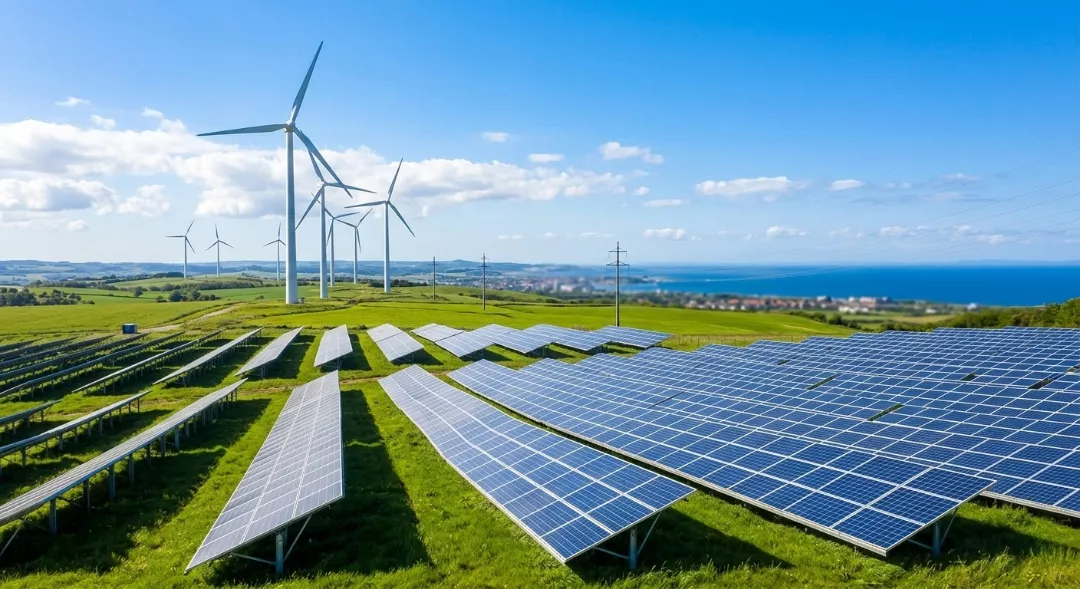
Why Renewable Energy Engineering Is Booming in 2026
1. Global Shift Toward Sustainability
Countries aim for Net Zero by 2050.
2. Rising Energy Demand
Clean energy is essential to meet global consumption.
3. Government Incentives
Subsidies for solar, wind, and EV infrastructure.
4. Climate Change Awareness
Industries are forced to adopt clean energy systems.
5. Massive Solar & Wind Investments
New projects, rooftop solar growth, and offshore wind expansion.
6. Energy Storage Innovation
Battery systems, hydrogen, and thermal storage are booming.
7. High Demand for Engineers
Few professionals specialize in sustainable energy → high salaries + global opportunities.
Roles & Responsibilities of a Renewable Energy Engineer
1. Designing Energy Systems
- Solar PV system design
- Wind turbine layout
- Hydroelectric power structure
- Geothermal heating systems
2. Conducting Feasibility Studies
- Climate & resource assessment
- Cost analysis
- Site evaluation
3. Installing & Supervising Systems
- Mounting solar panels
- Configuring inverters
- Wind turbine installation coordination
- Energy system testing
4. Energy Storage Solutions
- Battery systems (Lithium-ion, LFP, Sodium-ion)
- Hydrogen storage solutions
5. System Monitoring & Maintenance
- Performance evaluation
- Fault detection
- Efficiency improvements
6. Renewable Energy Integration
- Connecting systems to power grids
- Smart grid optimization
7. Research & Innovation
- New materials
- High efficiency solar cells
- Lightweight wind turbine blades
8. Project Management
- Budgeting
- Vendor management
- Documentation
Renewable energy engineers ensure sustainable, cost efficient, and reliable clean energy systems.
Types of Renewable Energy Engineers (Specializations)
1. Solar Energy Engineer
Designs and manages solar PV plants, rooftop systems, and solar farms.
2. Wind Energy Engineer
Works on wind turbines, offshore farms, and
aerodynamic analysis.
3. Hydropower Engineer
Designs dams, turbines, and water energy systems.
4. Geothermal Engineer
Develops underground heat extraction technologies.
5. Energy Storage Engineer
Focuses on batteries, hydrogen fuel, and thermal
storage.
6. Bioenergy Engineer
Works with biomass, biofuels, and waste to energy conversion.
7. Grid Integration Engineer
Manages power distribution, smart grids, and load
balancing.
8. Sustainability Consultant
Advises companies on clean energy transitions.
Skills Required for Renewable Energy Engineers
Technical Skills
1. Electrical Engineering Fundamentals
- Circuit design
- Power systems
- Load calculations
2. Solar System Design
- PV design
- Inverter selection
- Shading analysis
- Net-metering
3. Wind System Modeling
- Aerodynamics
- Wind flow assessment
- Turbine power curves
4. Energy Storage Knowledge
- Battery technologies
- Hydrogen systems
- Thermal & pumped storage
5. Environmental Engineering Basics
Understanding sustainability principles.
6. Simulation & Modeling Tools
- PVsyst
- AutoCAD
- MATLAB
- HOMER
- Helioscope
- SolidWorks
7. Data Analysis
- Performance monitoring
- Sensor data interpretation
8. Project Management
- Planning
- Budgeting
- Safety compliance
Soft Skills
- Problem solving
- Critical thinking
- Communication
- Creative innovation
- Teamwork
- Analytical mindset
Tools & Software Used by Renewable Energy Engineers
Solar Design Software
- PVsyst
- Helioscope
- AutoCAD
- SketchUp
Wind Energy Tools
- WAsP
- Wind Atlas
- CFD (computational fluid dynamics) tools
Hydropower Tools
- HEC RAS
- ArcGIS
Electrical Tools
- ETAP
- MATLAB
- PowerWorld
Project Management Tools
- MS Project
- Primavera
- Trello
- Asana
Industries Hiring Renewable Energy Engineers
- Solar power companies
- Wind energy developers
- Government energy departments
- EPC contractors
- Environmental consulting firms
- Green hydrogen startups
- Power distribution companies
- EV infrastructure
- Oil & gas (transition to renewable)
- Sustainability focused MNCs
- Smart grid & IoT energy firms
Renewable energy has become a global priority, and job demand is universal.
Career Roles in Renewable Energy (2026)
💡 Engineering Roles
- Solar Design Engineer
- Wind Energy Engineer
- Hydropower Engineer
- Energy Storage Engineer
- Power Systems Engineer
- Renewable Energy Analyst
💡 Managerial Roles
- Project Manager
- Energy Consultant
- Sustainability Manager
- Green Building Expert
💡 Research & Innovation Roles
- R&D Engineer
- Clean Tech Researcher
💡 Field & Operational Roles
- Installation Manager
- Commissioning Engineer
- Maintenance Specialist
Salary of Renewable Energy Engineers (2026)
India
| Role | Salary Range |
|---|---|
| Renewable Energy Engineer (Fresher) | ₹3 – ₹7 LPA |
| Solar Engineer | ₹4 – ₹12 LPA |
| Wind Energy Engineer | ₹5 – ₹15 LPA |
| Energy Storage Engineer | ₹6 – ₹20 LPA |
| Renewable Project Manager | ₹12 – ₹30 LPA |
| Sustainability Consultant | ₹10 – ₹40 LPA |
United States
- $70,000 to $150,000
United Kingdom
- £35,000 to £90,000
Canada
- $60,000 to $120,000
Global Freelancers & Consultants
$20 to $100/hour Demand is increasing in Asia, Europe, Middle East, and Africa.
Best Courses & Certifications (2026)
Solar Energy Certifications
- NPTEL Solar Energy Engineering
- IIT Online Solar Courses
- Google Professional Clean Energy Certificate
- Solar PV Professional by SEI
- NABCEP (International Certification)
Wind Energy Certifications
- Coursera Wind Energy Specialization
- Danish Technical University Wind Engineering
General Renewable Energy Certifications
- Renewable Energy Management (IIM + online portals)
- Energy Systems Engineering (Coursera)
- Green Hydrogen Basics
Software Certifications
- PVsyst mastery
- AutoCAD design
- MATLAB & simulation programs
How to Become a Renewable Energy Engineer (Step by Step Roadmap)
Step 1: Learn Science & Engineering Basics
Study:
- Physics
- Electrical basics
- Mechanics
- Energy fundamentals
Step 2: Earn a Relevant Degree
- Electrical Engineering
- Mechanical Engineering
- Renewable Energy Engineering
- Environmental Engineering
Step 3: Learn Renewable Energy Systems
Focus on:
- Solar PV
- Wind turbines
- Energy storage
- Power grids
Step 4: Learn Key Software Tools
- PVsyst
- AutoCAD
- MATLAB
- SolidWorks
Step 5: Do Internships
- Gain real world experience in:
- Solar EPC companies
- Energy plants
- Consultancies
Step 6: Build Projects
Examples:
- Home solar setup
- Mini wind turbine
- Solar tracking system
- based energy storage
Step 7: Get Certifications
Boosts career & salary.
Step 8: Apply for Jobs
Start as:
- Junior Engineer
- Solar Site Engineer
- Energy Analyst
Step 9: Grow into Senior Roles
- Project Manager
- Consultant
- R&D Engineer
Future Scope of Renewable Energy Engineering (2026 to 2035)
1. Solar Power Will Dominate
By 2035, solar will be the world’s main energy source.
2. Offshore Wind Growth
Huge turbines producing gigawatt level power.
3. Green Hydrogen Expansion
Fuel cells, hydrogen storage, and clean mobility.
4. EV Charging Infrastructure Boom
Huge demand for engineers.
5. AI + Renewable Energy
Smart grids using AI for efficiency.
6. Energy Storage Revolution
New battery technologies, solid-state batteries, flow batteries.
7. Smart Cities
Integrated renewable systems powering cities.
8. Global Climate Initiatives
Sustainable job opportunities are rapidly expanding across countries. Renewable energy stands out as one of the most stable, future ready, and impactful career paths.
Benefits of Becoming a Renewable Energy Engineer
✔ High global demand
✔ Stable, future proof career
✔ Contributes to environmental protection
✔ High salary potential
✔ Opportunities in multiple industries
✔ Remote and on site roles
✔ International job opportunities
Challenges in This Career
❌ Fieldwork may involve remote sites
❌ Weather dependent systems
❌ High responsibility for safety
❌ Rapid technological changes
Conclusion
A Renewable Energy Engineer helps design and develop technologies that produce clean and sustainable energy. By working on solar, wind, hydro, and other renewable resources, these engineers contribute to reducing carbon emissions and protecting the environment.
As the global demand for clean energy continues to grow, renewable energy engineering is becoming one of the most promising and impactful careers in the modern world. 🌍⚡